
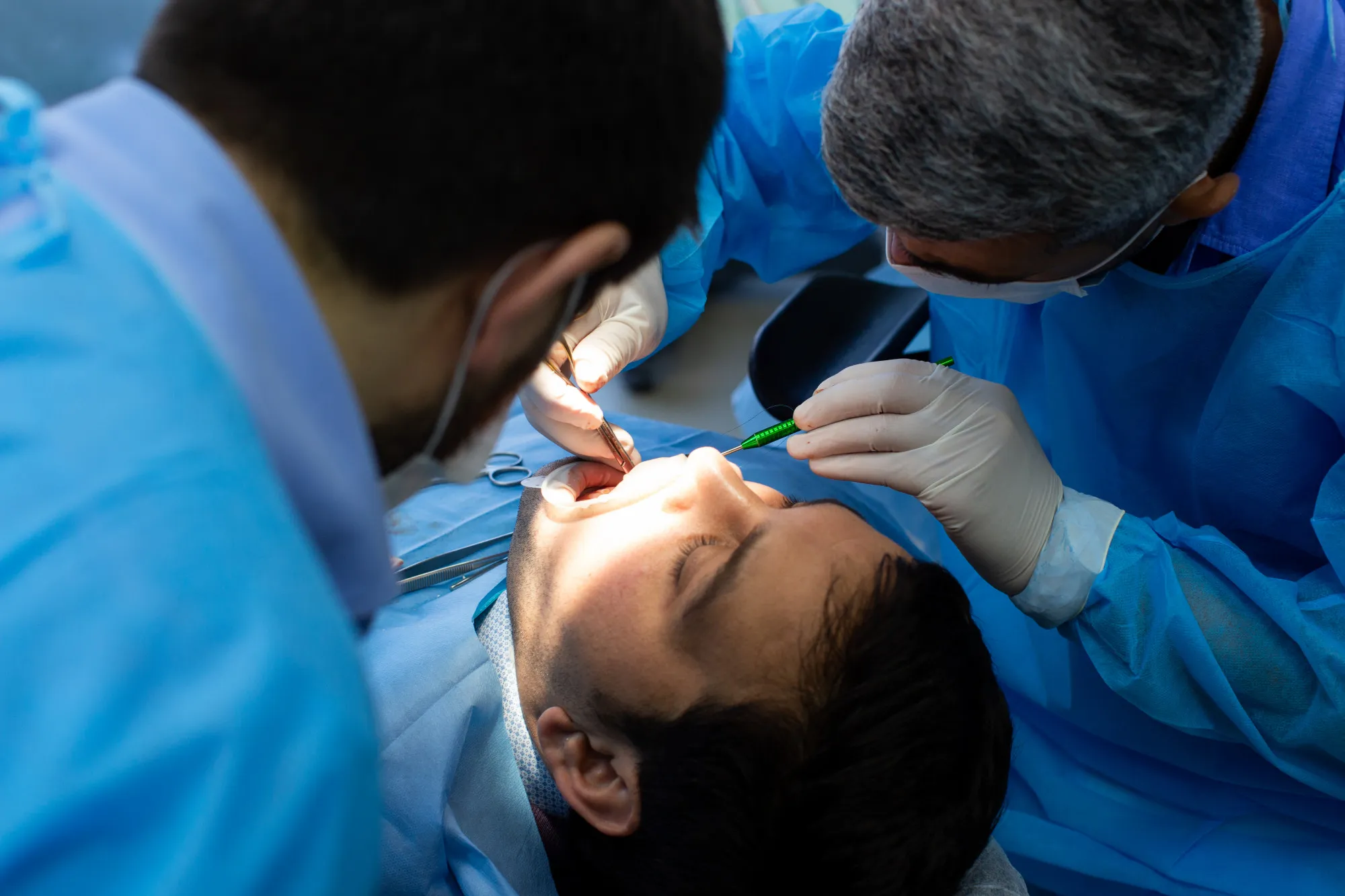
Tooth pain can disrupt your day, affect your sleep, and make eating uncomfortable. In many cases, deep tooth pain is a sign of infection inside the tooth. When this happens, root canal treatment in Scottsdale can help save your natural tooth and stop the pain. Knowing the early warning signs can help you act quickly and protect your oral health.
This guide explains the apparent warning signs, what causes them, and when to visit a dentist for care.
What is a Root Canal and Why Might You Need One?
Inside each tooth is soft tissue called pulp. It contains nerves and blood vessels. When this pulp becomes infected due to:
- Deep decay
- A cracked or chipped tooth
- Repeated dental work on the same tooth
- Injury to the tooth
The infection can spread and cause severe pain. A root canal removes the infected tissue, cleans the tooth, and seals it. Seek root canal treatment near you to prevent the problem from worsening. Acting early can save your natural tooth and prevent more serious complications.
What are the Common Signs You May Need a Root Canal Treatment?
Recognizing the symptoms early can help you avoid worsening pain or tooth loss. Below are the most common warning signs.
1. Persistent Tooth Pain
Pain that does not go away is one of the most evident warning signs.
You may notice:
- Constant throbbing pain
- Pain that spreads to your jaw, ear, or face
- Pain that worsens when lying down
If the pain lasts several days, it may indicate a deep infection.
2. Sensitivity to Hot and Cold
It is normal to feel mild sensitivity at times. However, it becomes concerning when:
- The pain lingers long after the hot or cold item is removed
- The sensitivity becomes sharp and intense
- It happens frequently
Lingering sensitivity is a key symptom of an infected tooth requiring a root canal.
3. Swollen or Tender Gums
Infection inside a tooth can spread to the surrounding gums.
You may notice:
- Swelling near the painful tooth
- Tenderness when touching the gums
- A small bump on the gums
That bump may release pus and is often a sign of infection that needs quick care.
4. Tooth Discoloration
An infected tooth may turn:
- Gray
- Dark yellow
- Brown
This color change happens when the inner tissue becomes damaged. If one tooth looks darker than the others, it should be checked by a dental office near you.
5. Pain When Chewing or Biting
If you feel discomfort when:
- Biting down
- Chewing food
- Touching the tooth
It may mean the inner pulp is inflamed. Pressure increases the pain because the tissue inside is swollen and infected.
6. A Cracked or Chipped Tooth
A crack may not always cause immediate pain. However, it allows bacteria to enter the tooth. Over time, this can lead to infection. If you have damaged a tooth and later notice pain or swelling, it is essential to seek care quickly.
7. Prolonged Gum Infection
If gum infection around one tooth keeps returning, it may not be just a gum problem. The infection could be coming from inside the tooth itself. Repeated swelling or drainage from the same area should not be ignored.
Quick Overview of Warning Signs
| Sign | What It Means |
| Constant tooth pain | Possible deep infection |
| Lingering hot or cold sensitivity | Nerve damage inside the tooth |
| Swollen gums | Spread of infection |
| Tooth discoloration | Damaged inner tissue |
| Pain when chewing | Inflamed pulp |
| Gum bump with pus | Active infection |
If you notice one or more of these signs, it is time to schedule an exam.
What Happens If You Ignore the Symptoms?
Ignoring infection can lead to serious problems, including:
- Spread of infection to nearby teeth
- Bone loss around the tooth
- Abscess formation
- Tooth loss
- Increased pain
Early treatment is always easier than waiting until the problem becomes severe.
How is a Root Canal Performed?
Many people feel nervous about this treatment, but modern care focuses on comfort.
The process usually includes:
- Numbing the area
- Removing infected tissue
- Cleaning and shaping the inside of the tooth
- Filling and sealing the tooth
- Placing a crown for protection if needed
The goal is to save your natural tooth and remove pain.
When Should You Visit a Dentist?
You should contact a dentist in Scottsdale if you experience:
- Tooth pain lasting more than two days
- Swelling in the gums or face
- Fever along with tooth pain
- Sudden darkening of a tooth
Even if you are unsure, it is better to get an exam. Early diagnosis prevents bigger problems.
If you are seeking this type of care, choose an office that prioritises patient comfort and clear communication.
Can a Tooth Heal on Its Own?
No. Once the pulp inside a tooth becomes infected, it cannot heal naturally. The infection will continue to spread unless treated. Pain may temporarily stop if the nerve dies, but the infection persists. That is why dental exams are essential, even if discomfort seems to improve.
Protect Your Smile with McDowell Smile Life Dentistry
Tooth pain should never be ignored. Acting quickly can help preserve your natural tooth, prevent damage to nearby teeth, and protect your overall health.
At McDowell Smile Life Dentistry, patients receive detailed exams and personalized care plans designed to ease discomfort and restore comfort. If you notice any symptoms, book your visit today to stop the infection early and get back to your routine pain-free.
Get directions to McDowell Smile Life Dentistry in Scottsdale for professional root canal treatment and personalized care to relieve tooth pain and protect your smile.
FAQs:
What are the early signs that indicate a root canal is needed?
Persistent tooth pain, lingering hot or cold sensitivity, swollen gums, tooth discoloration, and pain when chewing are common early signs.
Is root canal treatment painful?
The procedure is done under local anesthesia, so it is usually no more uncomfortable than getting a filling.
How long does a root canal treatment usually take?
Most treatments take about 60 to 90 minutes and may require one or two visits.
What happens if a needed root canal is delayed?
Delaying treatment can allow the infection to spread, leading to severe pain, abscess formation, or even tooth loss.