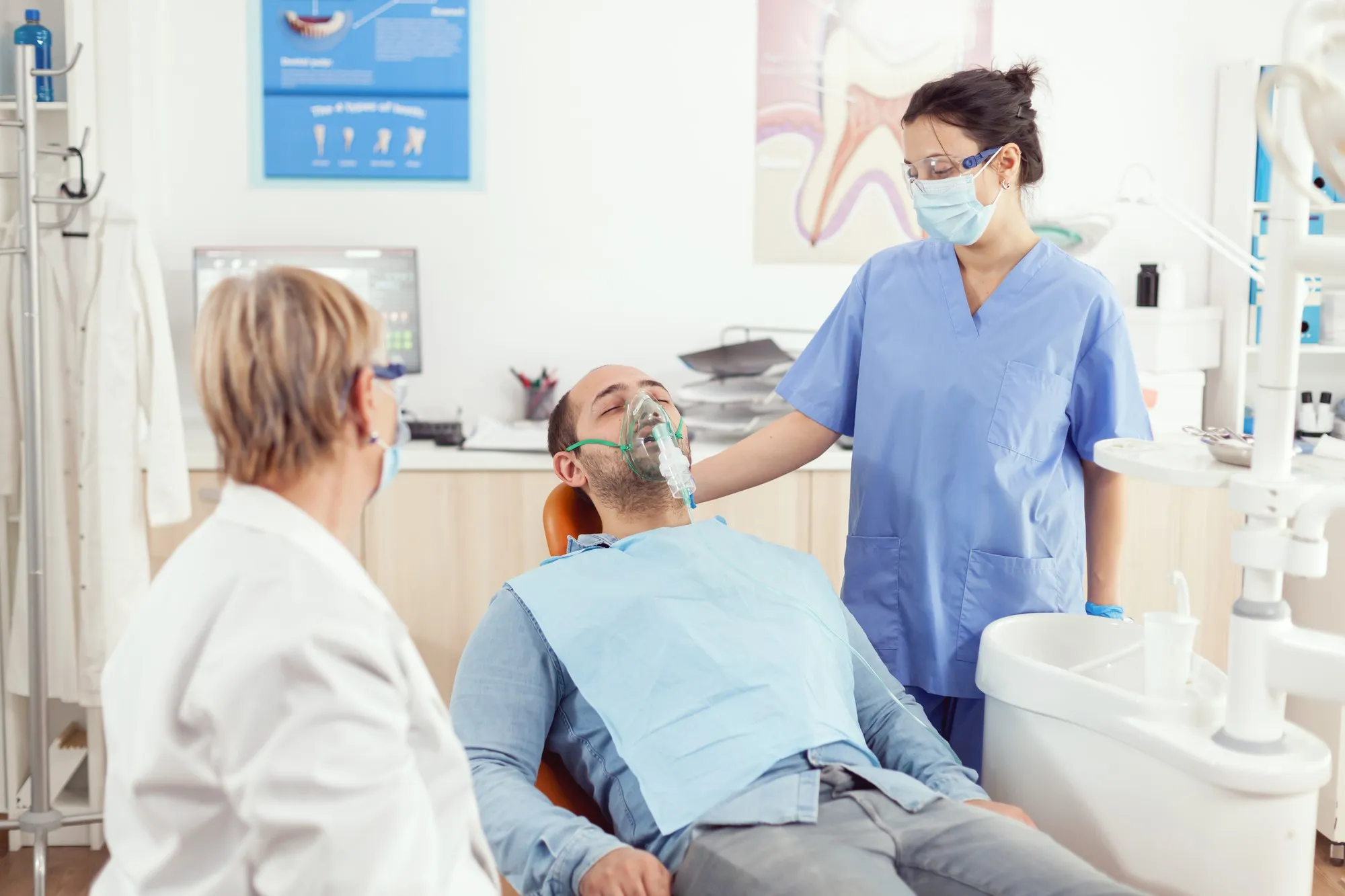
Have you ever woken up feeling like you hadn’t slept at all? Or someone in your house says you snore very loudly. These are signs of a condition called sleep apnea. This happens when a person stops breathing briefly while asleep. It sounds scary, but a dentist in Scottsdale can help fix it so you feel rested again.
If you are looking for help with sleep apnea near you, it is important to know that there are two main kinds. They have different causes, but they both make it hard to get a good night’s rest.
Difference Between Obstructive and Central Sleep Apnea
The main difference between obstructive and central sleep apnea is the reason breathing stops during sleep.
1. Obstructive Sleep Apnea (OSA)
This is the most common type. It happens when the muscles in the back of the throat relax too much. When this happens, the tongue or the soft tissue blocks the airway. Air cannot enter the lungs because the path is physically blocked. This is often why people snore; the air is trying to squeeze through a narrow space.
2. Central Sleep Apnea (CSA)
This type is different because the airway is actually open. The problem is in the brain. The brain “forgets” to tell the muscles to breathe. It is like a computer glitch in which the signal to take a breath does not reach the chest muscles.
Comparing the Two Types
| Feature | Obstructive Sleep Apnea (OSA) | Central Sleep Apnea (CSA) |
| Cause | Physical blockage in the throat | Brain signal error |
| Snoring | Very common and loud | Not as common |
| Airway Status | Blocked or collapsed | Open but no effort to breathe |
| Common Fix | Oral appliance or CPAP | Specialty machines or medicine |
Symptoms of Sleep Apnea and Treatment Options
Knowing the symptoms of sleep apnea in Scottsdale and treatment options can help you get better quickly. Many people do not even know they have it until a family member notices.
Common Symptoms
- Feeling very sleepy during the daytime.
- Waking up with a very dry mouth or a headache.
- Loud snoring or gasping for air at night.
- Trouble staying asleep (insomnia).
- Feeling grumpy or having a hard time paying attention.
Treatment Options
A dental office near you is a great place to start looking for help. Many people think only a hospital can fix sleep issues, but a dentist plays a big role.
- Oral Appliance Therapy: For obstructive sleep apnea, a dentist can make a special mouthguard. You wear it at night to hold your jaw forward. This keeps the airway open so you can breathe easily.
- CPAP Machine: This is a mask you wear over your nose. It uses air pressure to open the throat.
- Lifestyle Changes: Sometimes, losing weight or sleeping on your side instead of your back can help.
Why Visit a Dental Office Near You?
A dentist understands how the mouth and jaw work together. If the tongue is too big for the mouth or if the jaw sits too far back, it can cause breathing problems. By visiting a professional, you can get a custom plan to help you breathe better. If you have been searching for sleep apnea near you, calling a local office is the first step toward feeling energetic again.
Sleep Better with the Right Treatment
At McDowell Smile Life Dentistry, we help patients sleep better with the right sleep apnea treatment. Our dental team checks for signs like teeth grinding, jaw alignment issues and airway concerns. We provide custom oral appliances that may help keep airways open for better breathing and restful sleep. Our goal is to support better oral health and overall wellness.
Book an appointment with McDowell Smile Life Dentistry for quality sleep apnea care.
Get directions to a trusted dental office in Scottsdale for sleep apnea treatment and better sleep solutions.
FAQ
What is the main difference between obstructive and central sleep apnea?
Obstructive sleep apnea happens when the airway becomes blocked during sleep, often because throat muscles relax too much. Central sleep apnea occurs when the brain fails to send the right signals to the muscles that control breathing.
What are common symptoms of sleep apnea?
Common symptoms include loud snoring, dry mouth, choking or gasping during sleep, morning headaches, daytime tiredness, trouble focusing and poor sleep quality.
Can a dentist help treat sleep apnea?
Yes, a dentist can help identify signs of sleep apnea, such as teeth grinding, jaw position concerns, and airway issues. A custom oral appliance may also help keep the airway open during sleep.
When should I see a doctor for sleep apnea symptoms?
A doctor should be seen if snoring is loud, breathing stops during sleep, daytime fatigue is common or sleep quality is poor. Early diagnosis can help prevent serious health problems.